CDL Range Skills: Old Standard vs. Modernized Methods

Jason Boudreau • February 5, 2025

In recent years, CDL training programs have adopted modernized range maneuvers to address several key challenges in driver education. These changes have been driven by the need for more efficient use of training space, standardized instruction across programs, and alignment with evolving industry regulations. The modernized approach significantly reduces the space required for backing exercises, allowing training facilities to accommodate more students in a limited area. Additionally, this approach aims to create a more uniform testing experience across different locations, ensuring consistency in skill evaluation.


The Federal Motor Carrier Safety Administration (FMCSA) approved the modernized Commercial Driver's License (CDL) skills test on August 11, 2022. However, there is no nationwide mandate for its implementation; adoption is at the discretion of individual states. Some states have already begun integrating the modernized test, while others plan to do so in the coming years.

Modernized Range Maneuvers


The modernized backing system consolidates four backing maneuvers into one compact area using the same set of cones. This method is more space-efficient and allows for streamlined training.

Watch Our Modernized BCS Test Exercise Videos
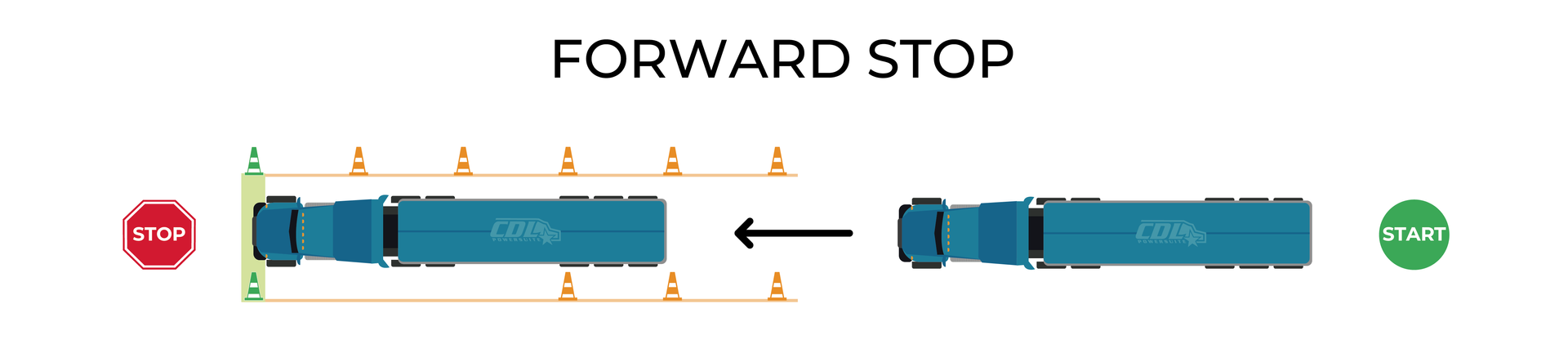
CDL Forward Stop Modernized

Forward Stop

  • This maneuver tests a trainee's ability to bring the truck to a precise stop at a designated location.

  • The vehicle must stop within a three-foot box without the trainee exiting the cab to check positioning.
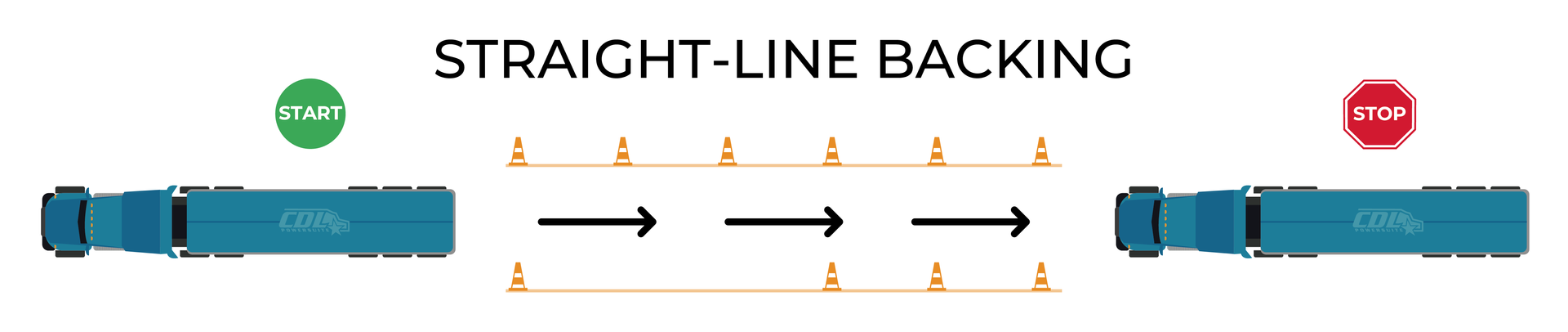

CDL Straight-Line Backing Modernized

Straight Line Backing

  • Measures the trainee's capability to maintain a straight path while reversing.

  • Reinforces control and alignment of the vehicle in confined spaces.
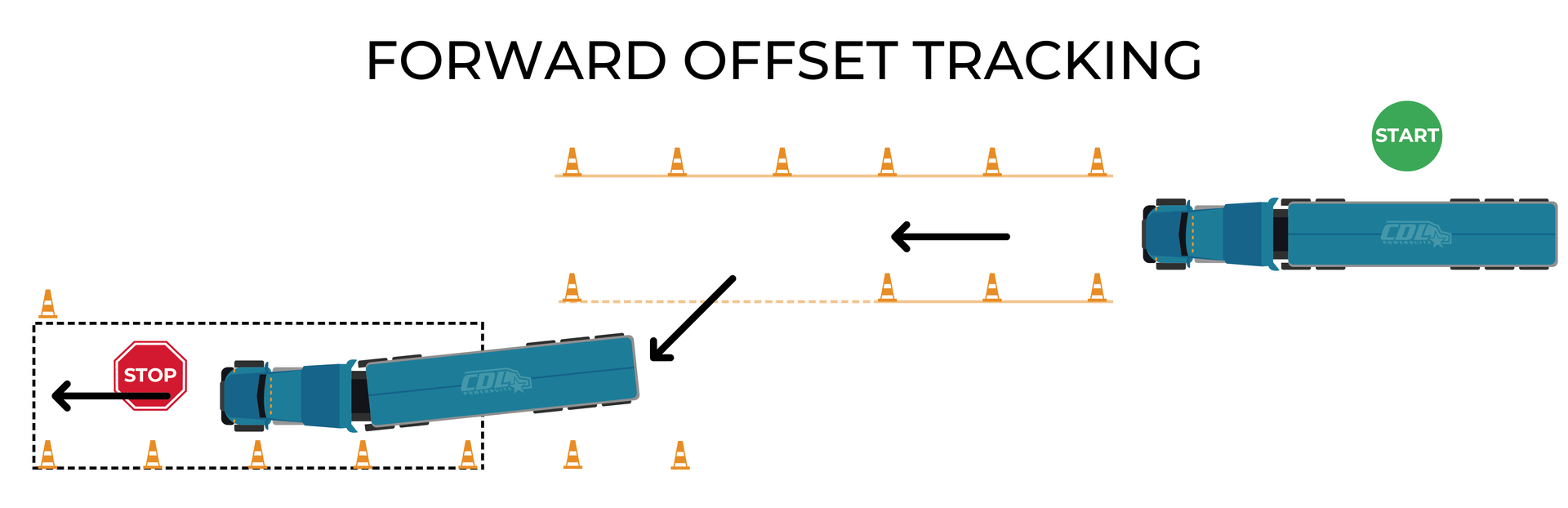

CDL Forward Offset Tracking Modernized

Forward Offset Tracking

  • Assesses the trainee's ability to navigate the truck around obstacles while moving forward.

  • Demonstrates control and spatial awareness needed for real-world driving.
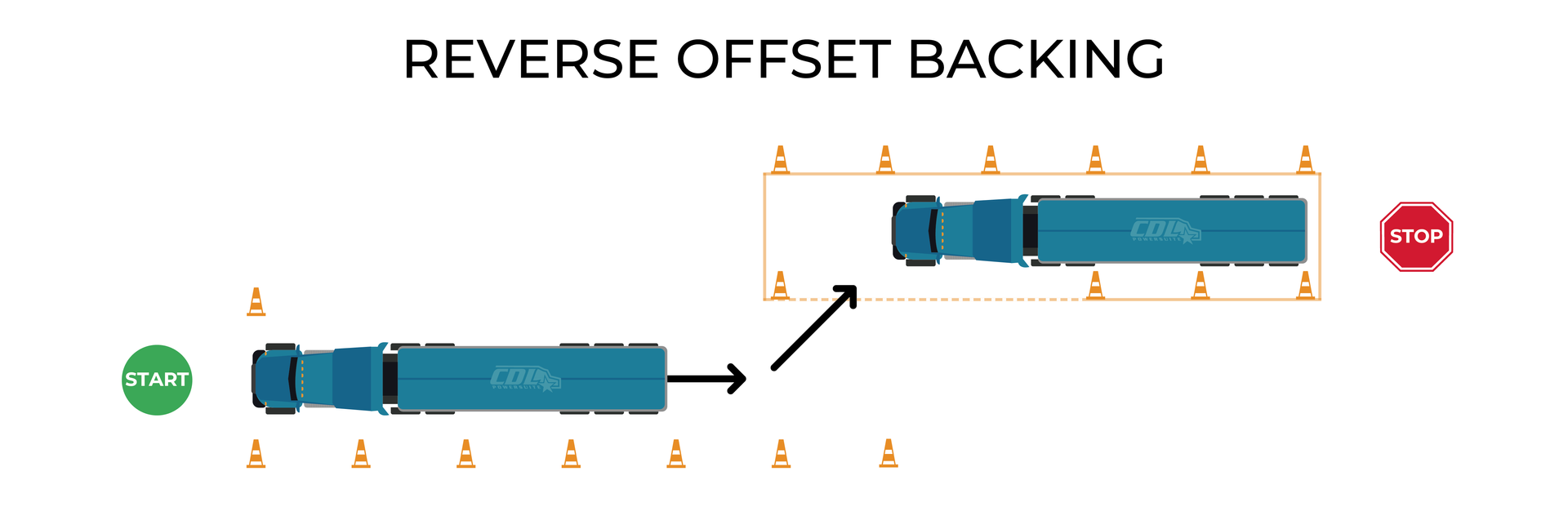
CDL Reverse Offset Backing Modernized

Reverse Offset Backing

  • Evaluates the ability to back the vehicle into a designated parking spot at the end of an alley.

  • The back bumper must be positioned within a three-foot box for successful completion.

Old Standard Backing Skills


The old standard backing method has long been used in CDL training programs to prepare drivers for real-world challenges. It aligns with Section 383.113(B) of the CDL regulations, which mandates that applicants demonstrate several fundamental vehicle control skills, including:


  • Starting, warming up, and shutting down the engine.
  • Smooth acceleration both forward and backward.
  • Bringing the vehicle to a smooth stop.
  • Backing the vehicle in a straight line while checking path and clearance.
  • Positioning the vehicle safely for left and right turns.
  • Proper shifting and gear selection.
  • Backing along a curved path.


The old standard provides students with an extensive hands-on experience, allowing them to develop an understanding of trailer movement and control. It requires more space, but the additional room allows students to maneuver realistically, better preparing them for real-world trucking scenarios.


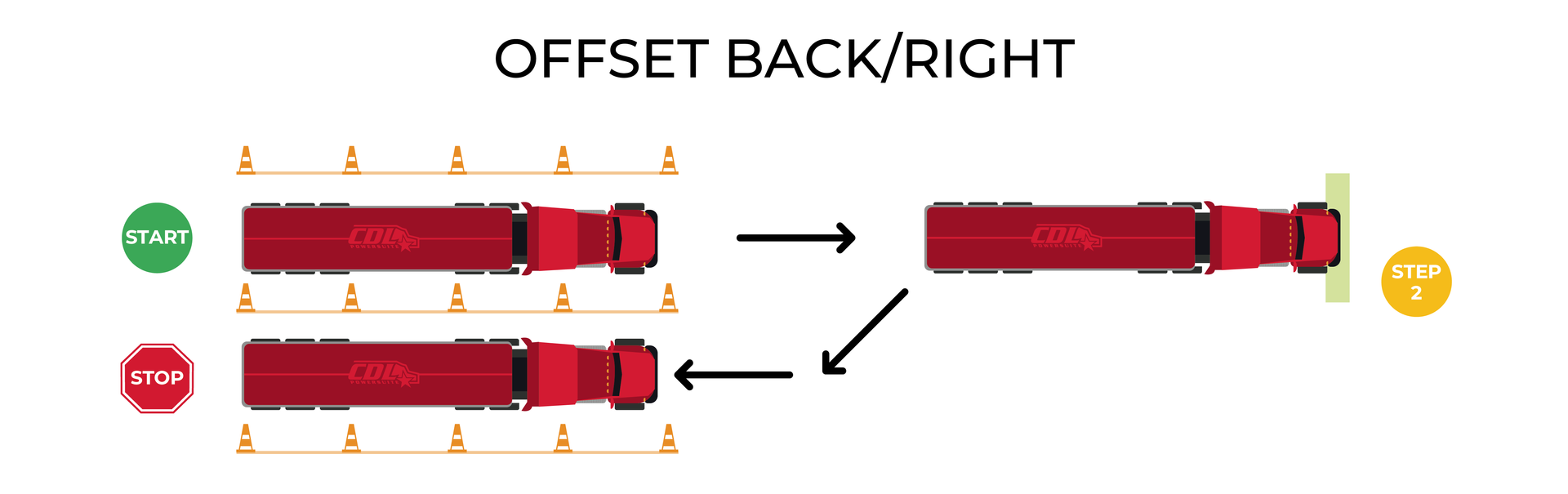
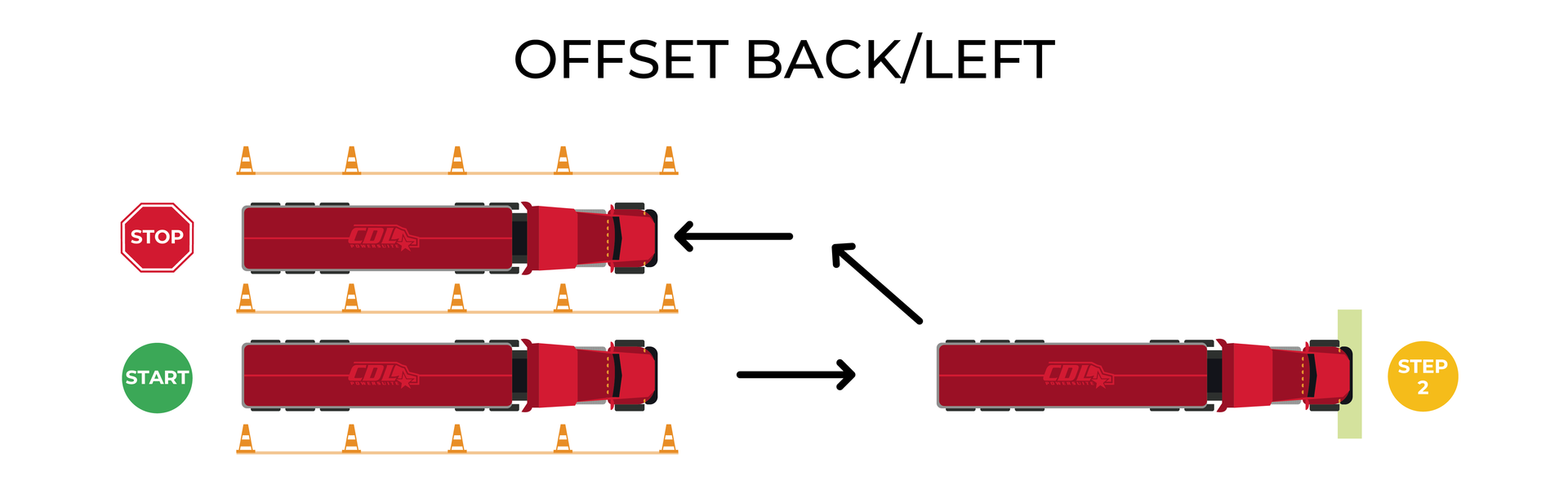
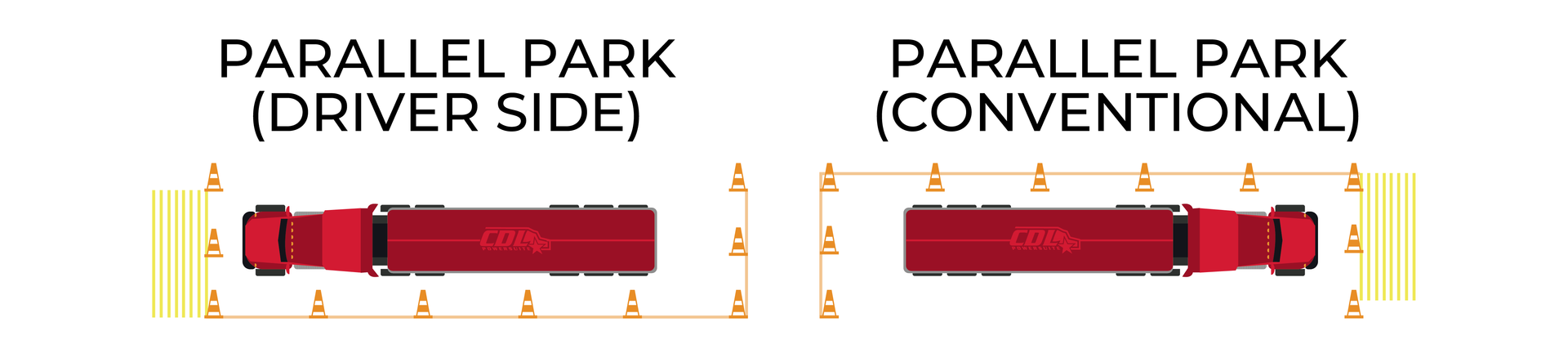
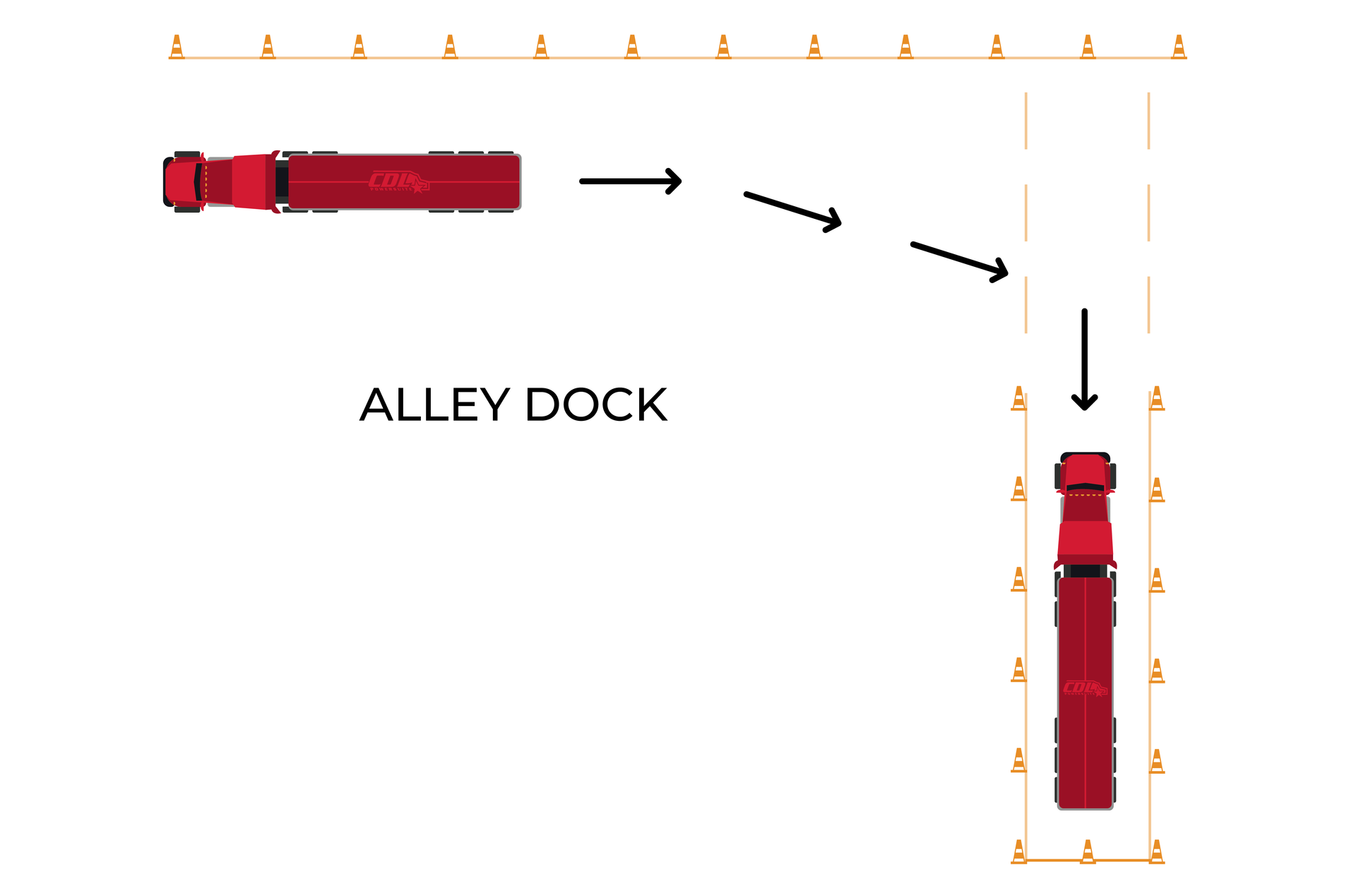
The visuals below show how training is conducted and how a yard would be set up for the old standard; you can see how more space is required to conduct training for these maneuvers. 
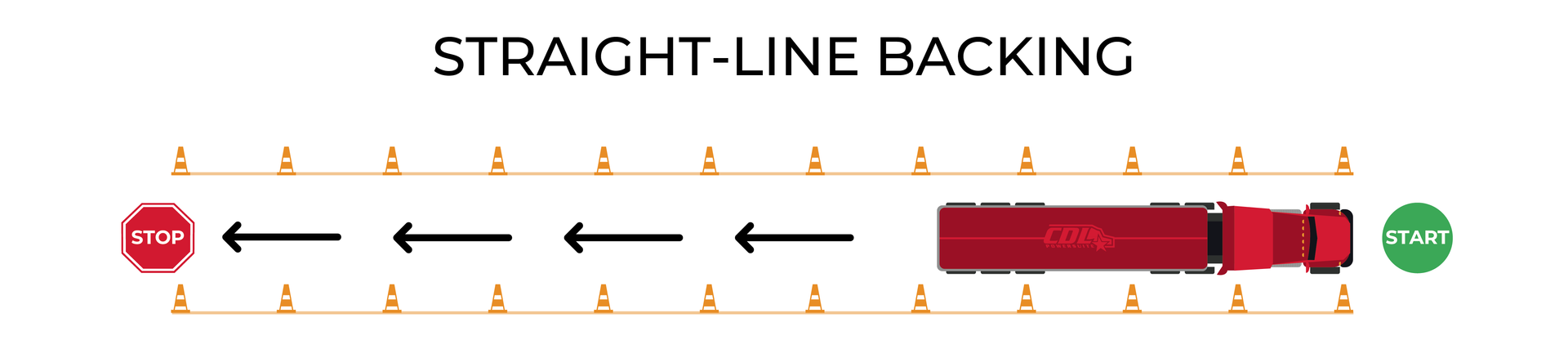

ELDT Straight Line Backing
ELDT Offset Back/Right
ELDT Offset Back/Left
ELDT Parallel Park
ELDT Alley Dock
August 17, 2026
Every certification your school submits to the Training Provider Registry rests on one thing: the instructor who signed off was qualified to do it. That makes instructor qualifications the single highest-stakes file in your building. When a student's record gets questioned, the school defends one certification. When an instructor's qualifications get questioned, every student that instructor ever signed off is in question at the same time. One gap, multiplied by hundreds of graduates. That is why instructor files deserve more attention than they usually get, and why "we know our people are qualified" is a sentence worth retiring. Knowing it and proving it are two different jobs. The second one is the one that counts. What qualified actually means The federal requirements come down to a few things. A behind-the-wheel instructor needs to hold a CDL of the same or higher class, with the endorsements needed for the vehicle they are teaching in, plus at least two years of experience driving that class of vehicle or two years of experience as an instructor. A clean licensing history matters too. An instructor whose CDL has been suspended, revoked, or cancelled in the recent past can be disqualified from teaching, even if their license looks valid today. Then the states add their own layer. Some require instructor licenses, background checks, or their own experience documentation on top of the federal floor. The federal rule is the minimum, and your state decides how much higher the bar sits. A school operating in more than one state can have different qualification requirements for instructors doing the same job. Qualified on paper, provable on demand Here is where schools get caught. The instructor genuinely is qualified. Twenty years behind the wheel, endorsements for everything, sharp as they come. But the file holds a photocopy of a CDL from three renewals ago and nothing else. When someone asks the school to prove the qualification, the proof is a phone call to the instructor asking them to bring their license in. A complete instructor file answers the question before anyone asks it. A current copy of the CDL with the right class and endorsements. Documentation of the experience that qualifies them, whether that is driving history or instructional history. The MVR on file and reviewed. State instructor credentials where they apply. Every requirement, matched to a document, sitting in one place. When an auditor asks, the answer takes minutes instead of a scramble. 
August 10, 2026
Every school knows the rule: the person who trains a student and the person who tests them have to be two different people. It is one of the oldest lines in third-party testing, and everyone in this industry can recite it. Knowing it happened is different from showing it happened Most schools keep the trainer and examiner separate every single time. The owner would swear to it, and they would be telling the truth. The problem is that swearing to it is all they can do. When the proof of separation lives in people's memory of who was working that day, the school has compliance that evaporates the moment memory fades or staff move on. To an auditor, a rule followed and a rule documented are two different things, and only one of them counts. The test of your documentation is simple. Pull a student file from eighteen months ago. Could a stranger look at that file and identify who trained the student and who examined them, on their own, in under a minute? If the answer requires someone to explain, the record is incomplete. The separation should be visible on the page itself. What the paper trail actually requires Two layers of documentation make the separation provable. The first is the training history. Every training event should name the instructor who delivered it. The person, specifically. A student's file should read like a roster of everyone who worked with them: which instructor ran their range sessions, which one sat with them on the road, on which dates. The complete list of who touched the student's training is the foundation, because proving the examiner was independent starts with a record of everyone who trained the student. The second is the testing record. The skills test should name the examiner just as clearly, tied to the date and the result. Put the two layers side by side and the separation proves itself. The examiner's name is absent from the training history, and the case is closed. Zero explanation, zero reconstruction, zero calls to the scheduler to vouch for who did what.