
Mastering CDL Classroom Training: Tips for Instructors
Jason Boudreau • March 20, 2025
Training the next generation of commercial drivers is no small task. A well-structured classroom environment ensures students not only understand the regulations and responsibilities of commercial driving but also retain critical information for their exams and real-world application. This guide covers best practices for CDL schools and in-house trainers to deliver effective classroom instruction, from preparing engaging presentations to creating quizzes and adjusting content in real-time.
1. Preparing Engaging Presentations
A great classroom session starts with a well-organized and engaging presentation. Here are key strategies to create effective lesson plans:
- Use Visuals: Incorporate charts, images, and videos that demonstrate real-world driving scenarios, proper vehicle inspection techniques, and safety procedures.
- Structure Content Logically: Start with foundational topics like DOT regulations and then move to more complex subjects like hours-of-service rules and hazardous material handling.
- Leverage Storytelling: Share real-life examples and case studies to help students connect theoretical knowledge with practical application.
- Encourage Interaction: Pose questions throughout the presentation to keep students engaged and thinking critically.
2. Creating Effective Quizzes
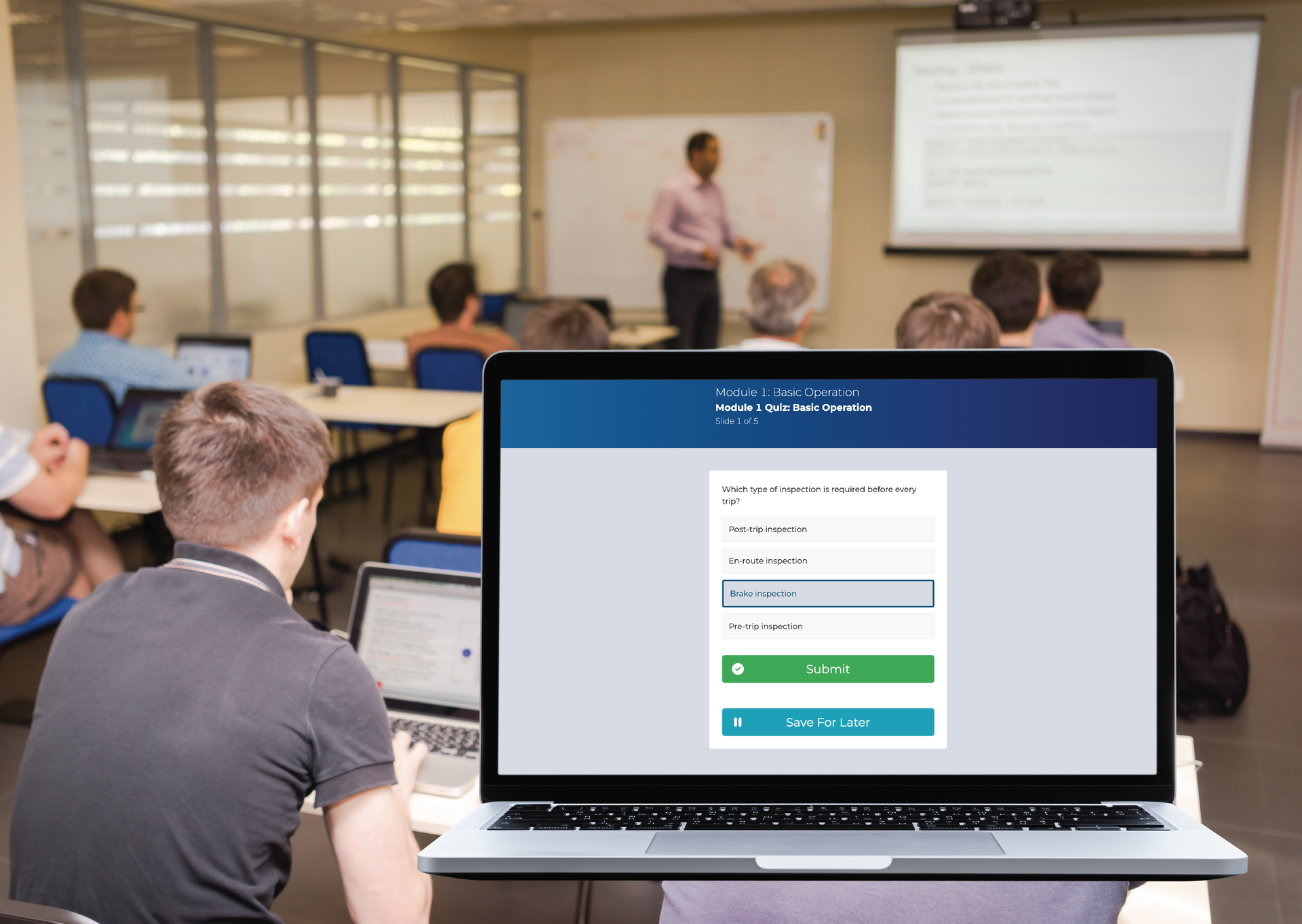
Quizzes are an excellent tool to reinforce learning and assess student comprehension. Here are some best practices:
- Ensure Real-World Relevance:
Design scenario-based questions that mimic real-life driving situations, such as how to handle a tire blowout, react to adverse weather conditions, or manage logbook discrepancies.
- Provide Immediate Feedback:
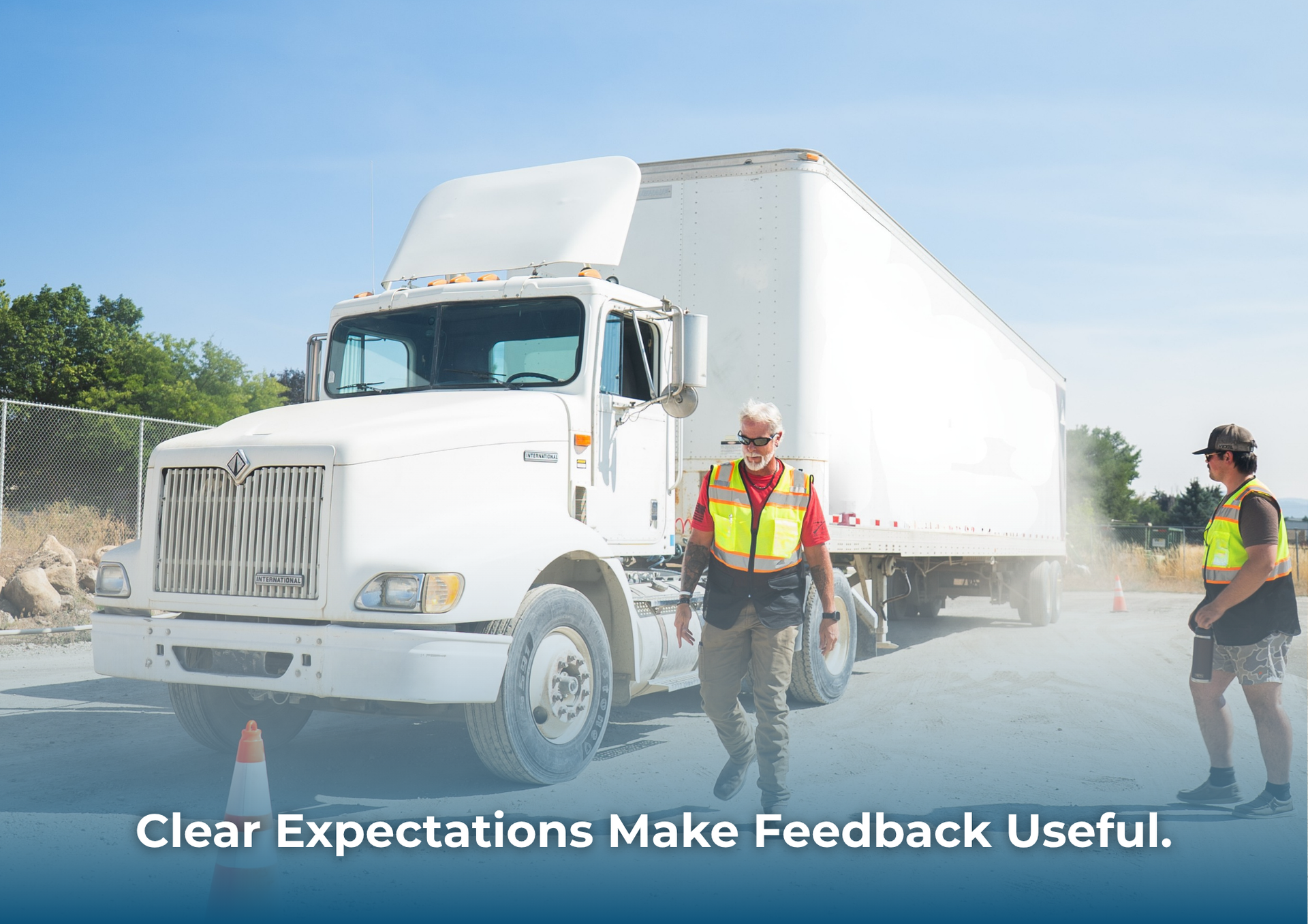
After each quiz, review the answers as a class to clarify misunderstandings and reinforce learning points. This helps students retain information and correct mistakes before moving on."
- Tie Questions to Key Learning Objectives: Ensure each question reflects critical knowledge areas, such as federal regulations, defensive driving, vehicle inspections, and emergency procedures.
3. Adjusting Course Material Based on Quiz Scores
One of the most effective ways to ensure students grasp the material is by adapting your teaching based on their quiz results. Here's how:
- Identify Trends in Incorrect Answers: If multiple students are struggling with a particular topic, revisit that section and explain it differently.
- Incorporate Remedial Sessions: Offer additional review sessions or one-on-one time for students who need extra help.
- Encourage Peer Teaching: Have students who understand the material well explain concepts to their classmates. Teaching others helps reinforce their own learning.
Conclusion
Effective CDL classroom training goes beyond simply delivering information. By preparing engaging presentations, designing thoughtful quizzes, and adjusting course material based on student performance, instructors can create a learning environment that sets students up for success. With the right tools and strategies, CDL schools and in-house trainers can ensure their students are well-prepared for both their exams and their careers as professional drivers.
The CDL PowerSuite Solution:
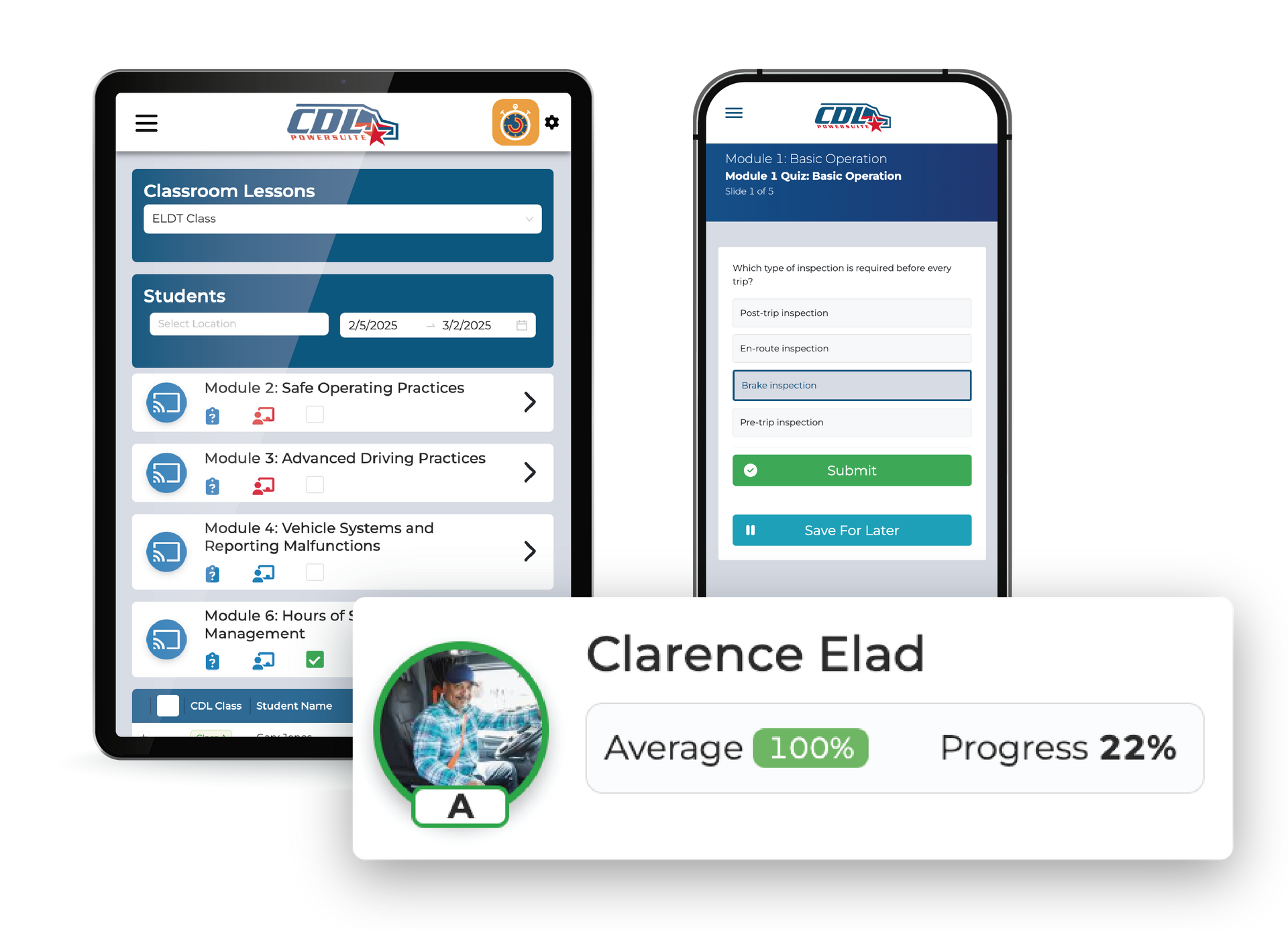
The Classroom Portal
THE
CDL PowerSuite’s classroom portal is designed to streamline in-class training by allowing instructors to effortlessly upload their own presentations, ensuring a customized learning experience for students. With built-in quiz creation tools, trainers can develop assessments directly linked to their course materials, reinforcing key concepts and measuring comprehension. Real-time performance tracking and student feedback features enable instructors to adjust content dynamically, addressing knowledge gaps and enhancing overall learning outcomes.