What Makes A Driver Hirable

Jason Boudreau • February 20, 2025

In the competitive landscape of commercial trucking, CDL (Commercial Driver's License) training providers play a pivotal role in shaping drivers who are not only proficient behind the wheel but also highly appealing to potential employers. To enhance the employability of their graduates, training programs must go beyond basic driving instruction, focusing on a comprehensive curriculum that addresses both technical and soft skills.

A group of CDL training students/trainees in a CDL training yard reviewing a semi-truck

Comprehensive Curriculum Development

Employers seek drivers equipped with a diverse skill set that ensures safety, efficiency, and professionalism. Training providers should incorporate the following into their programs:

  • Safety Protocols: Emphasize defensive driving techniques, hazard recognition, and adherence to Department of Transportation (DOT) regulations. A strong foundation in safety not only protects the driver but also enhances the company's reputation.

  • Vehicle Maintenance: Teach basic troubleshooting and preventive maintenance skills. Drivers who can identify and address minor mechanical issues can prevent costly breakdowns and delays.

  • Time Management and Route Planning: Instruct on efficient route planning, understanding Hours of Service (HOS) regulations, and effective time management to ensure timely deliveries.

  • Customer Service Skills: Since drivers often represent the company to clients, training in communication and customer service is essential. Professional interactions can lead to repeat business and positive reviews.

Integration of Advanced Endorsements

Offering training for additional endorsements can significantly boost a graduate's employability:

  • Hazardous Materials (HazMat) Endorsement: Enables drivers to transport hazardous materials, opening opportunities in specialized sectors. This requires rigorous training and passing specific tests to ensure safety and compliance.

  • Tanker and Doubles/Triples Endorsements: Equips drivers to handle tank vehicles and multiple trailers, skills that are in demand in various industries.

Incorporating these endorsements into the training program can make graduates more versatile and attractive to employers.

Development of Soft Skills

While technical skills are paramount, soft skills enhance a driver's effectiveness:

  • Stress Management: Teach techniques to handle the stresses of long hauls, tight schedules, and unforeseen challenges on the road.

  • Adaptability and Problem-Solving: Encourage critical thinking and flexibility to navigate unexpected situations, such as route changes or vehicle issues.

By focusing on these areas, CDL training providers can produce well-rounded, highly skilled drivers who meet the evolving demands of the trucking industry, thereby enhancing their employability and success in the field.

Conclusion

To ensure CDL graduates are highly hireable, training providers must go beyond basic driving instruction and focus on a well-rounded curriculum. A comprehensive training program that emphasizes safety protocols, vehicle maintenance, time management, and customer service will help students become reliable and professional drivers. Additionally, offering advanced endorsements, such as HazMat and tanker certifications, can significantly expand employment opportunities by making graduates more versatile and appealing to a broader range of employers.

Equally important is the development of soft skills, including stress management, adaptability, and problem-solving, which allow drivers to navigate the challenges of life on the road effectively. By combining technical expertise with these critical soft skills and specialized endorsements, CDL training providers can ensure their graduates stand out in a competitive job market and meet the evolving needs of the trucking industry.
August 17, 2026
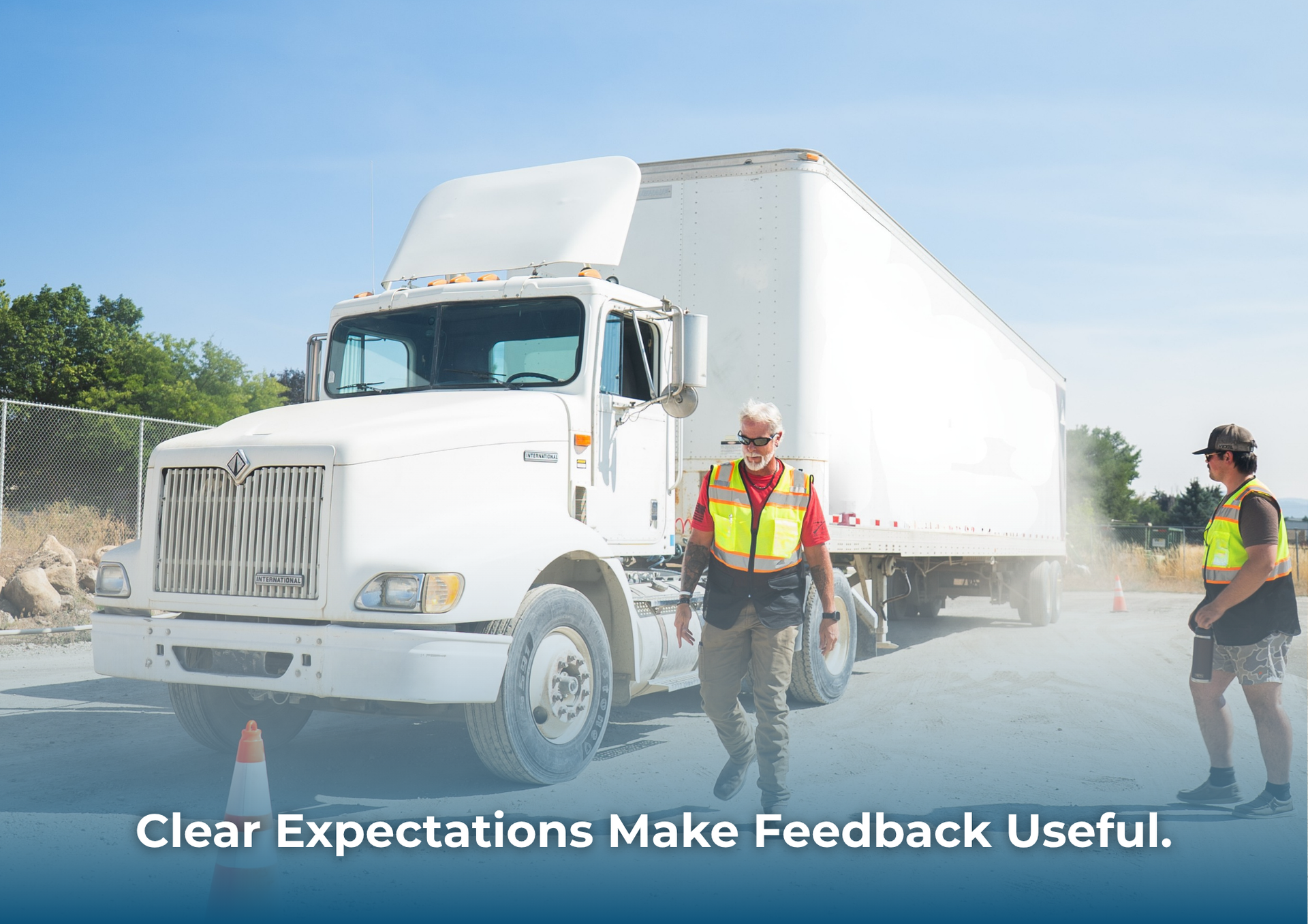
Every certification your school submits to the Training Provider Registry rests on one thing: the instructor who signed off was qualified to do it. That makes instructor qualifications the single highest-stakes file in your building. When a student's record gets questioned, the school defends one certification. When an instructor's qualifications get questioned, every student that instructor ever signed off is in question at the same time. One gap, multiplied by hundreds of graduates. That is why instructor files deserve more attention than they usually get, and why "we know our people are qualified" is a sentence worth retiring. Knowing it and proving it are two different jobs. The second one is the one that counts. What qualified actually means The federal requirements come down to a few things. A behind-the-wheel instructor needs to hold a CDL of the same or higher class, with the endorsements needed for the vehicle they are teaching in, plus at least two years of experience driving that class of vehicle or two years of experience as an instructor. A clean licensing history matters too. An instructor whose CDL has been suspended, revoked, or cancelled in the recent past can be disqualified from teaching, even if their license looks valid today. Then the states add their own layer. Some require instructor licenses, background checks, or their own experience documentation on top of the federal floor. The federal rule is the minimum, and your state decides how much higher the bar sits. A school operating in more than one state can have different qualification requirements for instructors doing the same job. Qualified on paper, provable on demand Here is where schools get caught. The instructor genuinely is qualified. Twenty years behind the wheel, endorsements for everything, sharp as they come. But the file holds a photocopy of a CDL from three renewals ago and nothing else. When someone asks the school to prove the qualification, the proof is a phone call to the instructor asking them to bring their license in. A complete instructor file answers the question before anyone asks it. A current copy of the CDL with the right class and endorsements. Documentation of the experience that qualifies them, whether that is driving history or instructional history. The MVR on file and reviewed. State instructor credentials where they apply. Every requirement, matched to a document, sitting in one place. When an auditor asks, the answer takes minutes instead of a scramble. 
August 10, 2026
Every school knows the rule: the person who trains a student and the person who tests them have to be two different people. It is one of the oldest lines in third-party testing, and everyone in this industry can recite it. Knowing it happened is different from showing it happened Most schools keep the trainer and examiner separate every single time. The owner would swear to it, and they would be telling the truth. The problem is that swearing to it is all they can do. When the proof of separation lives in people's memory of who was working that day, the school has compliance that evaporates the moment memory fades or staff move on. To an auditor, a rule followed and a rule documented are two different things, and only one of them counts. The test of your documentation is simple. Pull a student file from eighteen months ago. Could a stranger look at that file and identify who trained the student and who examined them, on their own, in under a minute? If the answer requires someone to explain, the record is incomplete. The separation should be visible on the page itself. What the paper trail actually requires Two layers of documentation make the separation provable. The first is the training history. Every training event should name the instructor who delivered it. The person, specifically. A student's file should read like a roster of everyone who worked with them: which instructor ran their range sessions, which one sat with them on the road, on which dates. The complete list of who touched the student's training is the foundation, because proving the examiner was independent starts with a record of everyone who trained the student. The second is the testing record. The skills test should name the examiner just as clearly, tied to the date and the result. Put the two layers side by side and the separation proves itself. The examiner's name is absent from the training history, and the case is closed. Zero explanation, zero reconstruction, zero calls to the scheduler to vouch for who did what.