
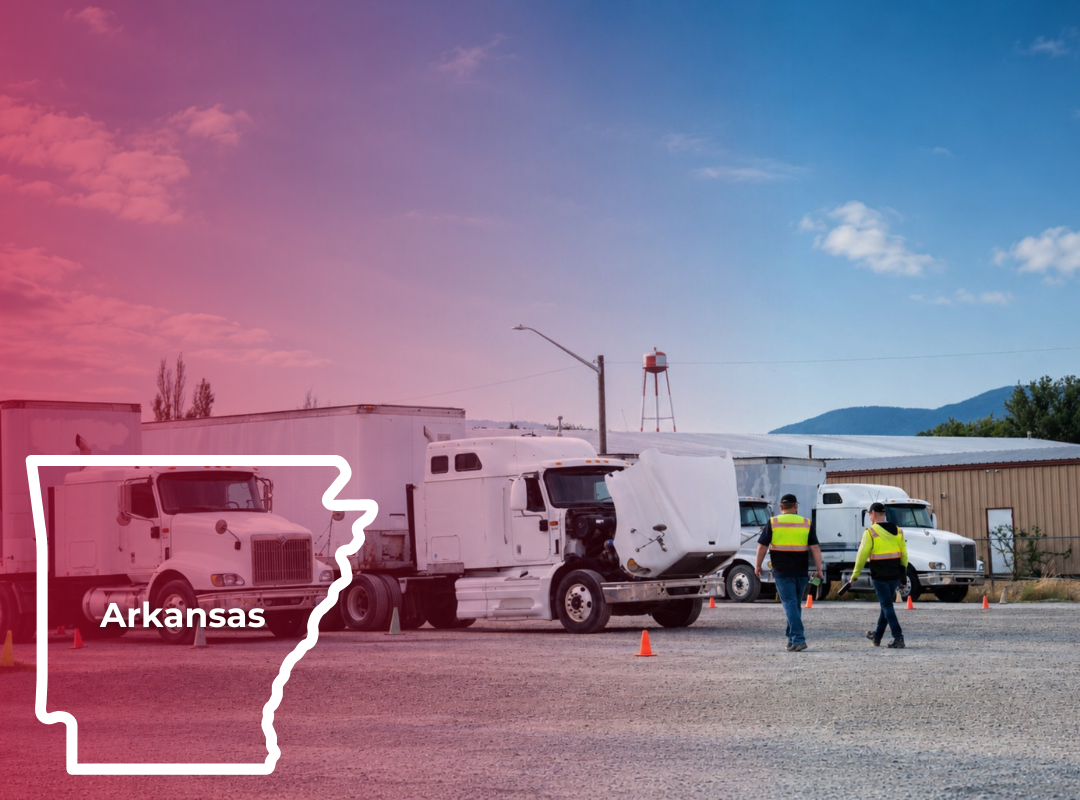
Arkansas CDL Trainer Requirements:
Learn the Arkansas CDL trainer requirements that matter most for compliance.
What, Why, When, and How to Stay Compliant in the State of Arkansas.
If you want to become a CDL trainer in Arkansas, or you already train drivers and want to tighten up compliance, this article is for you. In Arkansas, CDL training compliance can involve both the federal Entry-Level Driver Training (ELDT) and Training Provider Registry (TPR) rules and Arkansas's own private career school licensing rules administered by the Arkansas Division of Higher Education (ADHE) under the State Board of Private Career Education. Unlike states that run a dedicated CDL-instructor certification program, Arkansas regulates the school as a licensed private career school, while individual trainer qualifications come from federal ELDT rules and the school itself. A trainer can be excellent behind the wheel and still create audit risk if the program misses licensing, bonding, reporting, or recordkeeping requirements.
What does a CDL trainer in Arkansas actually have to comply with?
At the federal level, Entry-Level Driver Training applies to people seeking a Class A CDL, Class B CDL, a Class A or B upgrade, or a first-time passenger, school bus, or hazmat endorsement. To provide that training in compliance with federal law, the provider must be listed on FMCSA's Training Provider Registry, use the required curriculum under 49 CFR Part 380, use qualified instructors under 49 CFR 380.605, and submit training-certification records after completion through the TPR.
At the Arkansas level, there is no separate CDL-school or CDL-instructor licensing program. Instead, a private, tuition-charging CDL or truck-driving school is licensed as a private career school by ADHE under the
Private Career Education Act (Ark. Code Ann. § 6-51-601 et seq.). The Act's definition of "school" expressly includes any business that offers
driver education training. A covered school must hold an ADHE/SBPCE
license before it operates or solicits students, and the license covers
only the specific programs of study the school applied for and had approved. The CDL/CLP credential and skills testing themselves run through the Arkansas DFA – Driver Services and the Arkansas State Police or approved third-party testers.
Why Arkansas CDL trainer compliance matters.
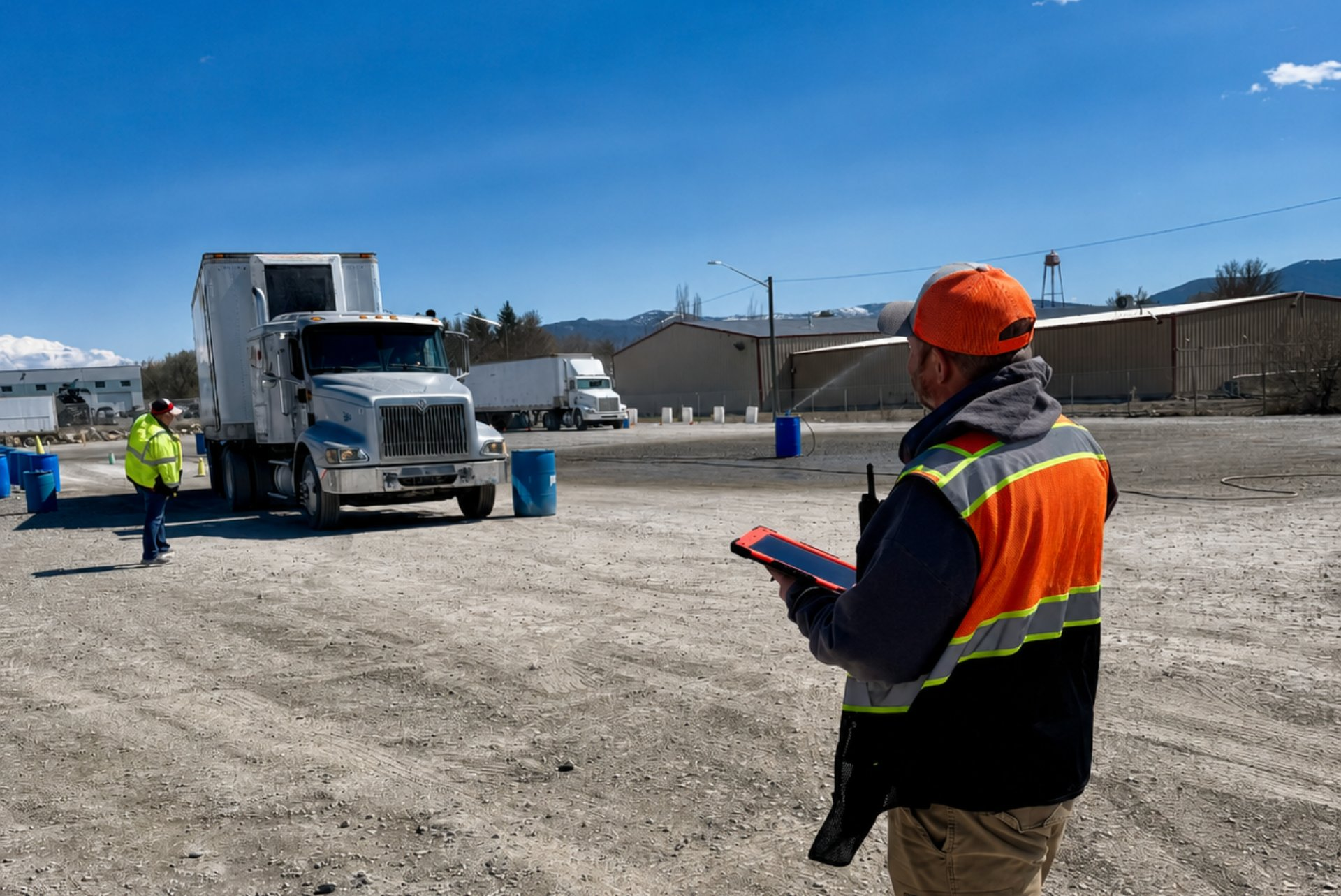
The reason compliance matters is simple: the training itself is only half the job. FMCSA requires providers to use written theory assessments, document behind-the-wheel proficiency, report completion records through the Training Provider Registry by midnight of the second business day, and retain required records for at least three years under 49 CFR Part 380.
Arkansas's layer is consumer-protection oriented. For a licensed private career school, ADHE oversight centers on licensing, a surety bond, the Private Career School Student Protection Trust Fund, and annual renewal. The stakes are real: operating a covered school without a license is a misdemeanor punishable by a $1,000–$5,000 fine, with each day a separate offense, and tuition contracts entered into by an unlicensed school are void.
That means trainer compliance is not just personal compliance; it is operational compliance tied to the school or program as a whole.
When do Arkansas specific rules apply to a CDL trainer?
This is the most important Arkansas-specific question, and it is a scoping question. Think in two layers.
Layer 1: Federal ELDT applies to everyone providing entry-level driver training for the CDL classes and endorsements listed above. There is no exemption from ELDT for being a college or an employer.
Layer 2: Arkansas private career school licensing applies only to private, tuition-charging schools. The Private Career Education Act exempts, among others:
- State colleges and universities coordinated by the Arkansas Higher Education Coordinating Board (for example, community-college CDL programs);
- Schools supported by state or local government taxation; and
- An employer's program that trains its own employees and charges them no tuition.
So a
private CDL school charging tuition generally satisfies both layers at once. A
community-college CDL program or a
free, in-house carrier program training its own drivers generally satisfies the federal ELDT layer only and is exempt from state private career school licensing. Do not assume the state layer is universal. It is not. When in doubt about a specific program's status, confirm with ADHE.
How do you become a CDL trainer in Arkansas?
Because Arkansas has no separate state CDL-instructor license, "becoming a trainer" means satisfying two things at once: the federal instructor standard and the hiring and qualification standards of an ADHE-licensed school (or of an exempt program).
Under 49 CFR 380.605, both theory and behind-the-wheel instructors generally must hold the proper CDL class and endorsements and have either at least two years of CMV driving experience in that class or endorsement, or two years of experience as a behind-the-wheel instructor, while also meeting applicable state instructor-qualification requirements.
At the school level, the Private Career Education Act adds owner-side requirements that a trainer's program must satisfy: partners or shareholders with 10% or more ownership in a licensed school must clear a state and national FBI fingerprint-based criminal background check, and anyone who recruits or enrolls students for the school needs a separate admissions representative license. For the credential side, the Arkansas DFA – Driver Services issues the CLP/CDL, and the Arkansas State Police or an approved third-party tester administers the skills test.
For federal ELDT, instructor standards under 49 CFR 380.605 stack on top of any school-level requirements; meeting one does not satisfy the other.
What does a Arkansas CDL trainer have to teach?
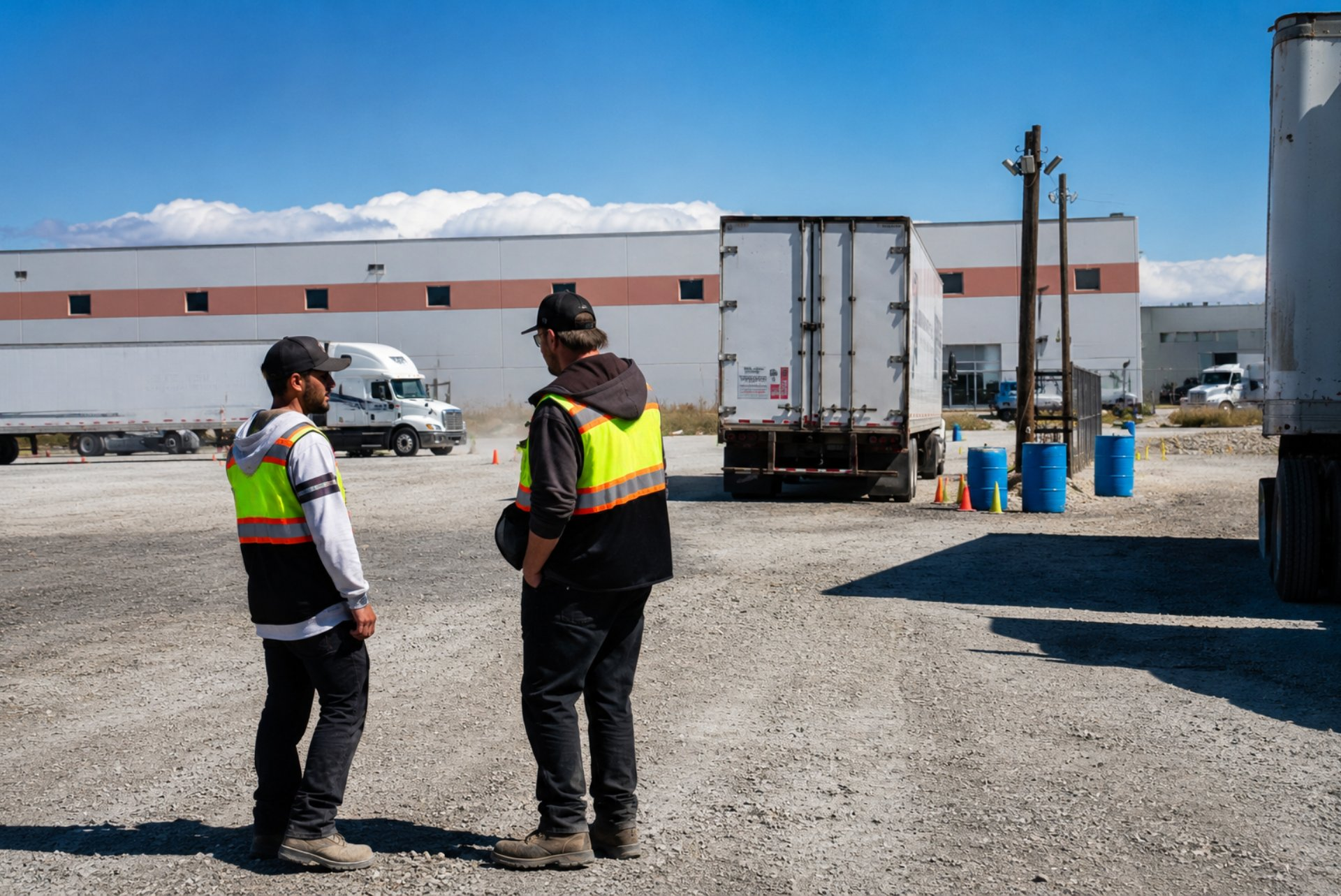
Federal ELDT is not a loose outline. FMCSA requires providers to follow the curriculum in 49 CFR Part 380 and to use qualified instructors, proper facilities, and proper vehicles. ELDT applies to Class A, Class B, upgrade, passenger, school bus, and hazmat entry-level pathways.
Arkansas does not layer a separate state CDL curriculum or mandated hour minimum on top of ELDT. The state's published standard for CDL theory and behind-the-wheel hours is the FMCSA standard. (The classroom and behind-the-wheel hour minimums in § 6-51-622 apply to noncommercial driver training for students 17 and under, not to CDL training.) For a licensed private career school, the operative "what to teach" is the specific program of study the school submitted to and had approved by ADHE/SBPCE, built to satisfy the federal ELDT curriculum.
How are Arkansas trainees evaluated?
Federally, the theory side must include a written assessment, and the trainee must earn an overall minimum score of 80 percent under 49 CFR Part 380. For behind-the-wheel training, instructors must evaluate and document proficiency in the required BTW skills. FMCSA does not impose a minimum number of federal theory or BTW hours for ELDT; the focus is covering the required curriculum and documenting proficiency.
Arkansas does not add a separate state passing score or minimum-hour requirement for CDL training. Evaluation follows the federal ELDT proficiency model and the licensed school's own approved program. (Skills testing for the license itself is administered by the Arkansas State Police or an approved third-party tester through DFA – Driver Services.)
What records does a Arkansas CDL trainer or school need to keep?
This is the section most compliance-focused readers care about. Under FMCSA's ELDT rules, training providers on the TPR must retain records including copies of trainees' CLPs or CDLs, instructor-qualification documentation, instructor CDL and endorsement copies where applicable, and lesson plans, generally for at least three years. FMCSA also requires providers to submit training-certification information through the Training Provider Registry by midnight of the second business day after completion, including the total clock hours the trainee spent in BTW training.
Arkansas adds school-level recordkeeping for licensed private career schools. Records must be available for ADHE review, and on closure a licensed school must deliver the previous three years of student financial-aid records and all student transcripts to the ADHE director. Tuition and refund handling must comply with the board's rules, or the school risks license action.
What about school-level compliance in Arkansas?
Even in a trainer-focused article, school-level compliance matters because instructors work inside a regulated program. For a licensed private career school, ADHE/SBPCE requirements include:
- A school license before operating, restricted to approved programs of study, with annual renewal.
- A surety bond equal to 10% of gross tuition, with a $5,000 minimum (and a maximum set by the board). A school with no gross tuition in the prior year must carry a $10,000 bond, and a school whose total cost per program is $3,000 or less is not required to carry a bond. The school's license is suspended any time it is not covered by the required bond.
- An annual Student Protection Trust Fund fee. The fund is maintained up to $500,000 and may pay student claims of up to $100,000 per school when a school closes or becomes insolvent.
- Background checks for partners or shareholders holding 10% or more ownership.
- Board oversight: ADHE may investigate, inspect, and deny, place on probation, or revoke a license.

What are common Arkansas CDL compliance mistakes?
- Assuming a tuition-charging private CDL school doesn't need an ADHE/SBPCE license. It does, and operating without one is a misdemeanor with each day a separate offense.
- Conversely, assuming a community-college or free in-house employer program must carry the private-school license, when those are generally exempt. The federal ELDT layer still applies.
- Treating ELDT like an hour-counting exercise instead of a documented curriculum-plus-proficiency requirement.
- Letting the surety bond lapse, which suspends the license the moment the school is not covered.
- Missing the TPR reporting deadline after training completion, or letting trainer qualifications live in people's heads instead of in organized, audit-ready records.
Final takeaway.
Being a CDL trainer in Arkansas is not just about teaching safe driving. It means operating inside a compliance structure that includes federal ELDT rules and TPR reporting and, for private tuition-charging schools, ADHE/SBPCE private career school licensing, bonding, and recordkeeping. The trainers and programs that stay out of trouble are usually the ones that build documentation, instructor files, training logs, and completion workflows before they scale.
Compliance disclaimer.
This article summarizes public Arkansas Division of Higher Education (ADHE) and State Board of Private Career Education materials, the Arkansas Private Career Education Act (Ark. Code Ann. § 6-51-601 et seq.), Arkansas DFA – Driver Services information, and FMCSA Training Provider Registry and ELDT materials for general information. Applicability can vary by training model, provider type, and whether your program is private and tuition-charging, public, employer-based, or government-run, so Arkansas providers should verify current requirements with ADHE and DFA before relying on this summary.