
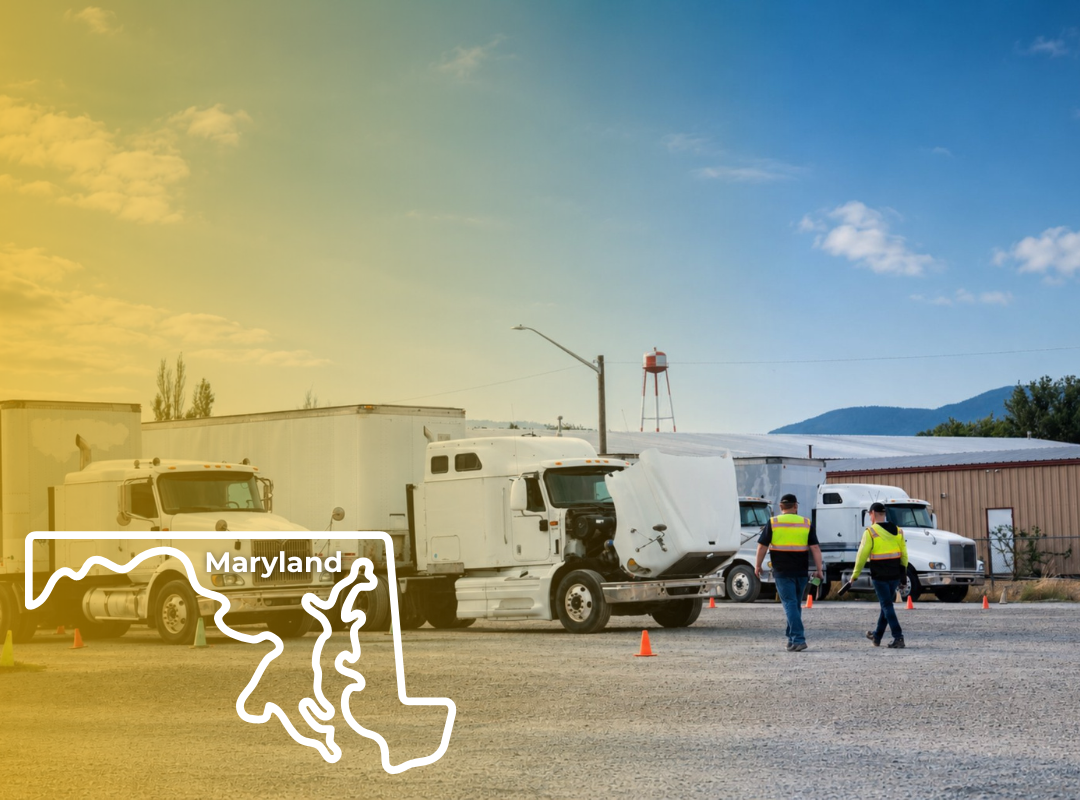
Maryland CDL Trainer Requirements:
Learn the Maryland CDL trainer requirements that matter most for compliance.
What, Why, When, and How to Stay Compliant in the State of Maryland.
If you want to become a CDL trainer in Maryland, or you already train drivers and want to tighten up compliance, this article is for you. In Maryland, CDL training compliance can involve both the federal Entry-Level Driver Training (ELDT) and Training Provider Registry (TPR) rules and the Maryland MVA rules for licensed drivers' schools and their driving instructors. That matters because a trainer can be excellent behind the wheel and still create audit risk if the program misses licensing, reporting, instructor, or recordkeeping requirements.
What does a CDL trainer in Maryland actually have to comply with?
At the federal level, Entry-Level Driver Training applies to people seeking a Class A CDL, Class B CDL, Class A or B upgrade, or a first-time passenger, school bus, or hazmat endorsement. To provide that training in compliance with federal law, the provider must be listed on FMCSA's Training Provider Registry, use the required curriculum under 49 CFR Part 380, use qualified instructors under 49 CFR 380.605, and submit training certification records after completion through the TPR.
At the Maryland level, the
Motor Vehicle Administration (MVA) regulates drivers' schools and their instructors under
COMAR 11.23.01 and Transportation Article, Title 15, Subtitles 7 and 8, Annotated Code of Maryland. Maryland does not run a separate commercial-driver-training-school statute. Instead, an entity
in the business of collecting a fee for providing instruction in the driving of motor vehicles must be licensed as a drivers' school, and its instructors must be licensed, before it operates. The MVA reviews the application, may inspect the school location and vehicles before approval, approves the curriculum, and may conduct unannounced audits. MVA guidance states plainly that all drivers' schools that charge a fee, and their instructors, must be licensed by the MVA, so the trigger is charging a fee, not a student headcount.
Why Maryland CDL trainer compliance matters.
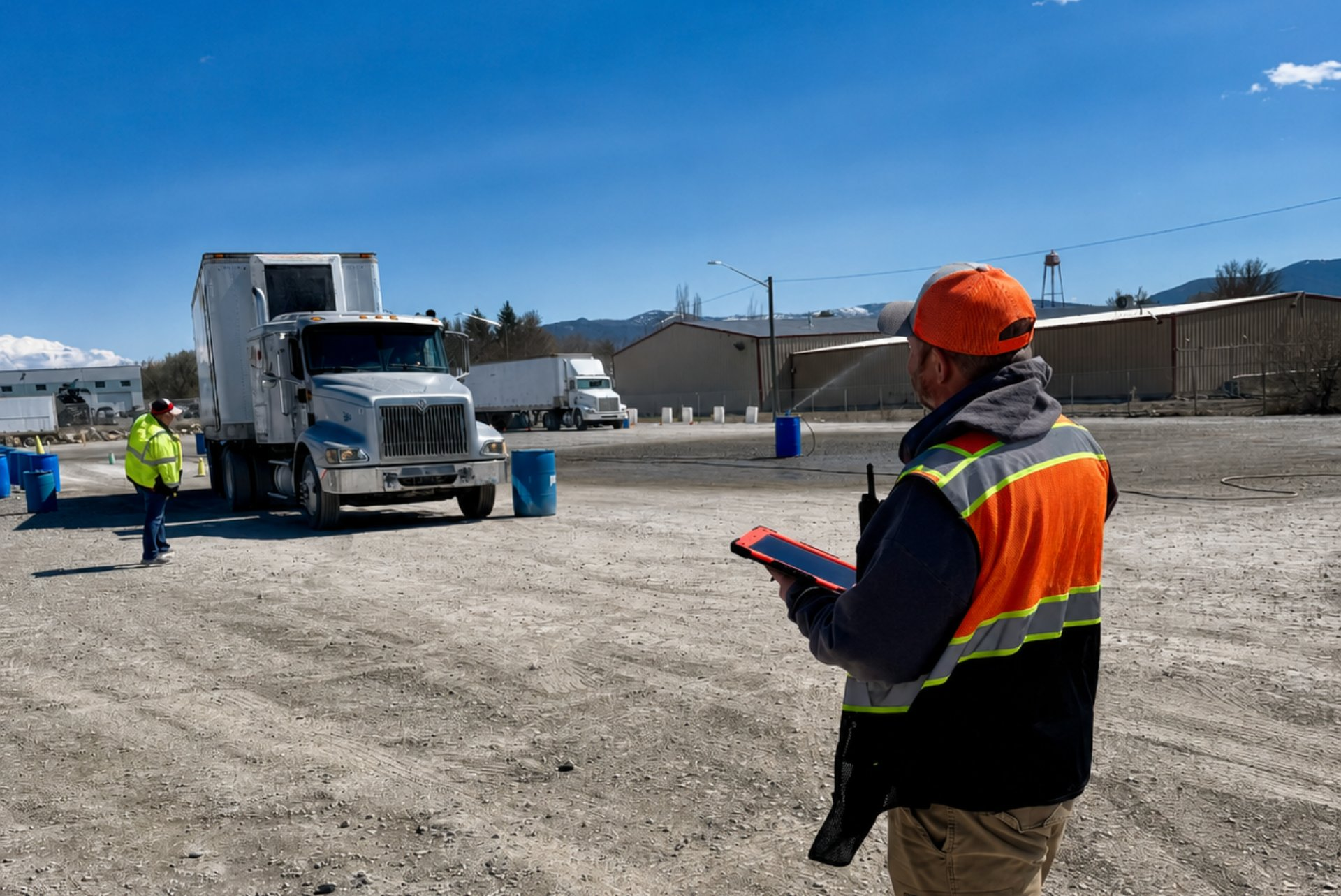
The reason compliance matters is simple: the training itself is only half the job. FMCSA requires providers to use written theory assessments, document behind-the-wheel proficiency, report completion records through the Training Provider Registry by midnight of the second business day, and retain required records for at least three years under 49 CFR Part 380. Maryland adds its own oversight through drivers'-school licensing, driving-instructor licensing, an MVA-approved curriculum, insurance and a surety bond, and records that must be available for inspection. When a program gets audited, the biggest failures usually come from missing proof, not missing instruction.
Maryland's drivers'-school rules make the licensed school responsible for how instruction is delivered and require operation and student records to be available for MVA inspection during posted business hours.
That means trainer compliance is not just personal compliance; it is operational compliance tied to the school or program as a whole.
When do Maryland specific rules apply to a CDL trainer?
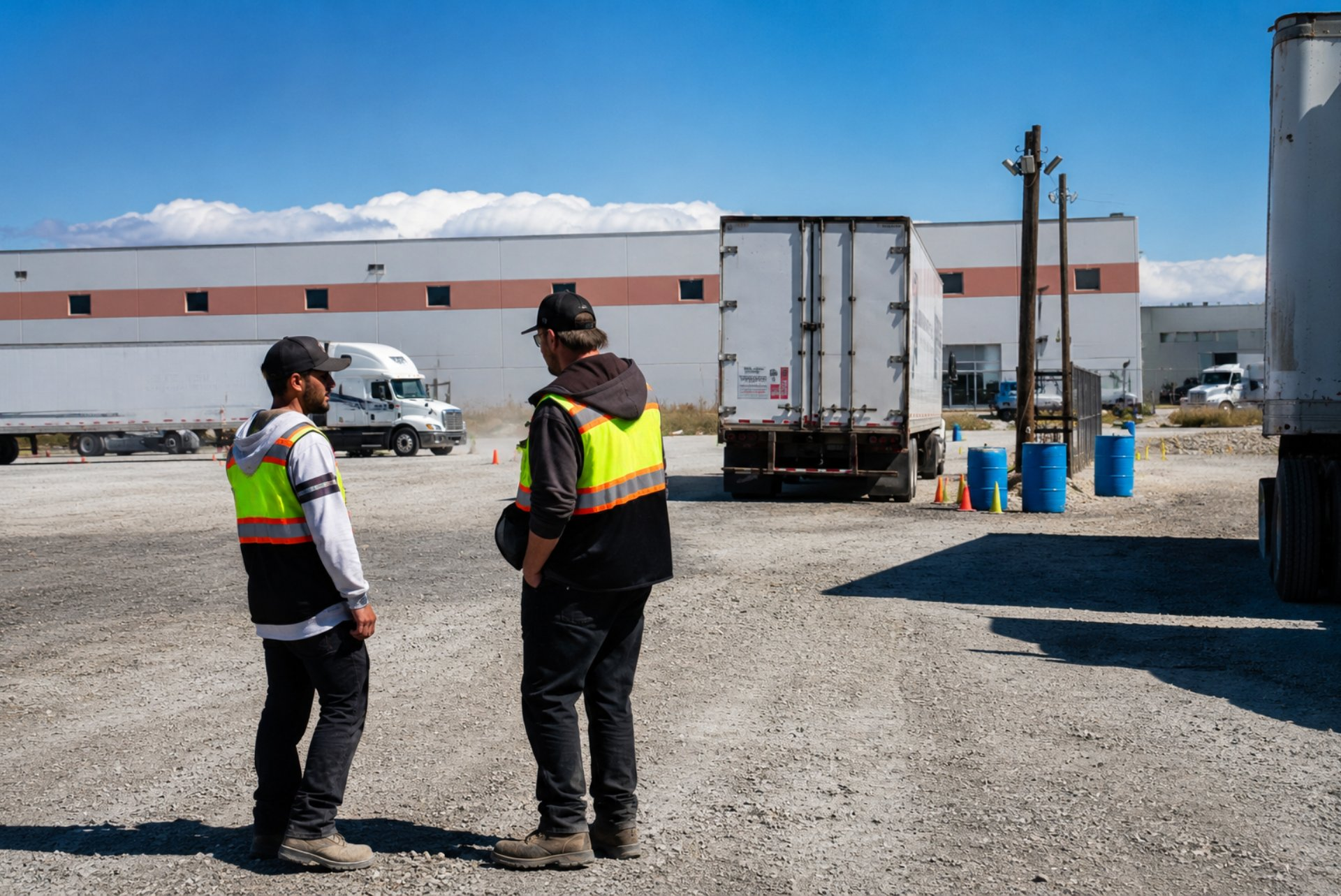
This is the most important Maryland-specific question, and Maryland answers it differently from many states. There is no student-count threshold. Under COMAR 11.23.01, the drivers'-school and instructor licensing rules apply to any entity in the business of collecting a fee for providing instruction in the driving of motor vehicles. If a CDL program charges a fee, the program needs an MVA drivers'-school license and MVA-licensed instructors.
So Maryland trainers should think in two layers:
- Federal ELDT and TPR layer. This applies to everyone who provides entry-level CDL training, regardless of fee, provider type, or whether the training is public, private, or employer-based.
- Maryland MVA drivers'-school layer. This applies when a school or instructor charges a fee for driving instruction.
Because the Maryland trigger is charging a fee, the state layer is scoped:
- Fee-charging private and tuition CDL schools are fully within the licensing layer: school license, licensed instructors, approved curriculum, surety bond.
- Free employer and in-house programs that train a company's own drivers at no charge are generally outside the fee-triggered licensing requirement, though the federal ELDT and TPR layer still applies.
- Public and other educational institutions that offer the instruction as part of the normal school-day curriculum and do not charge a fee can have the application, license, and renewal fees and the surety bond waived by the MVA, and classrooms in institutions regulated by the Maryland State Department of Education or the Maryland Higher Education Commission need not be MVA-inspected.
If a program is fee-charging and provides entry-level CDL training, it has to satisfy both layers at the same time.
How do you become a CDL trainer in Maryland?
In Maryland, a paid CDL trainer is a licensed driving instructor employed by a licensed drivers' school. Under COMAR 11.23.01, an individual must be licensed by the MVA as a driving instructor to give driving instruction for compensation, and may only do so while employed by an MVA-licensed drivers' school. To qualify, an applicant must:
- Be at least 21 years old.
- Hold a high school certificate of graduation, its equivalent, or a college degree.
- Hold a valid driver's license for the class of vehicle in which instruction is given, which for CDL instruction means the matching CDL class, with no disqualifying restrictions.
- Have no more than four active points on the current driving record.
- Pass a fingerprint-based criminal background check through the CJIS Central Repository.
- Have no reportable medical condition, and complete the required instructor training and certification.
The application is submitted through the licensed school and includes the license fee (listed at $150), proof of the diploma or degree, the fingerprinting receipt, a three-year driving record, a medical certification, and a statement about any prior license or certification revocations. An instructor can be licensed for behind-the-wheel only, classroom only, or both, and wears an MVA-issued instructor badge in full view while instructing.
For federal ELDT, instructor standards are separate and stack on top of Maryland's requirements. Under 49 CFR 380.605, both theory and behind-the-wheel instructors generally must hold the proper CDL class and endorsements and have either at least two years of CMV driving experience in that class or endorsement, or two years of experience as a behind-the-wheel instructor, while also meeting applicable state instructor qualification requirements.
What does a Maryland CDL trainer have to teach?
Federal ELDT is not a loose outline. FMCSA requires providers to follow the curriculum in 49 CFR Part 380 and use qualified instructors, proper facilities, and proper vehicles. ELDT applies to Class A, Class B, upgrade, passenger, school bus, and hazmat entry-level training pathways.
In Maryland, the school's curriculum must be approved by the MVA before it is used, and it can only teach the approved curriculum. Under COMAR 11.23.01, the curriculum submitted for approval must spell out the course description, the performance objectives, the topic areas, the standards for successful completion, the audiovisual and reference materials, and copies of the knowledge and skill examinations. Maryland does not publish a separate CDL subject list in this chapter, so the required content is the FMCSA ELDT curriculum delivered through the MVA-approved course, plus the theory and behind-the-wheel elements the school documents for the CDL class and endorsements it trains.
How are trainees evaluated?
Federally, the theory side must include a written assessment, and the trainee must earn an overall minimum score of 80 percent under 49 CFR Part 380. For behind-the-wheel training, instructors must evaluate and document proficiency in the required BTW skills. FMCSA does not impose a minimum number of federal theory or BTW hours for ELDT; the focus is on covering the required curriculum and documenting that the trainee is proficient.
Maryland does not set a separate statewide passing score or a fixed minimum clock-hour count for CDL training in COMAR 11.23.01. Instead, the school's MVA-approved curriculum defines the completion standards and the knowledge and skill tests. The actual CDL is issued only after the applicant completes ELDT, obtains a Commercial Learner's Permit and holds it for at least 14 days, and passes the
MVA-administered CDL skills (road) test in a representative vehicle.
What records does a Maryland CDL trainer or school need to keep?
This is the section most compliance-focused readers care about. Under FMCSA's ELDT rules, training providers on the TPR must retain records including copies of trainees' CLPs or CDLs, instructor qualification documentation, instructor CDL and endorsement copies where applicable, and lesson plans. Those records must generally be retained for at least three years. FMCSA also requires providers to submit training certification information through the Training Provider Registry by midnight of the second business day after completion, including the total clock hours the trainee spent completing BTW training.
Maryland adds its own recordkeeping expectations under COMAR 11.23.01. A licensed drivers' school must keep records for three years in a secure location, in hard copy or electronic form, including instructor employment records, training-vehicle insurance, maintenance, inspection, and registration records, surety bond certificates, the results of tests and evaluations administered to each student, the number of students trained annually, and signed student rights-and-responsibilities forms. Records must be available for MVA inspection during posted business hours.
Maryland also requires an
annual electronic report to the MVA by January 31 for the prior calendar year, listing the number of students trained and each student's name, soundex or license number, and date of birth. Any change to the information in the latest application must be reported to the MVA within 30 days, and a training-vehicle crash that results in a fatality must be reported immediately.
What about school-level compliance in Maryland?
Before a Maryland drivers' school can operate, the MVA reviews the application and may inspect the school location and vehicles, and the school may not begin instruction until the license is approved. The curriculum is approved before use, and the MVA may make unannounced quality-control visits and audits.
A drivers'-school license is valid for two years. The school must carry workers' compensation and unemployment insurance and general liability insurance, must post a surety bond of $40,000 under Transportation Article, Section 15-705, and must title and register training vehicles in the school's name and have them inspected annually. Branch sites are licensed separately. Application and license fees are set under COMAR 11.11.05.
One timing detail is worth flagging. The published rule (COMAR 11.23.01.09F) states that a renewal must reach the MVA at least two calendar weeks before expiration, while the MVA business page says to submit no later than 15 days before the wall-license expiration. As with any figure that can change, the safest wording is to confirm the current renewal cutoff, the bond amount, and the current fees directly with the MVA before launch or renewal.
What are common Maryland CDL compliance mistakes?
- Assuming a fee-charging CDL program does not need an MVA drivers'-school license and MVA-licensed instructors.
- Treating ELDT like an hour-counting exercise instead of a documented curriculum-plus-proficiency requirement.
- Failing to keep clean instructor files, training-vehicle records, per-student test and evaluation results, and signed student rights-and-responsibilities forms for three years.
- Missing the annual January 31 report to the MVA, or the TPR reporting deadline after training completion.
- Letting trainer qualifications live in people's heads instead of in organized records that can be produced during an MVA review.
Final takeaway.
Being a CDL trainer in Maryland is not just about teaching safe driving. It means operating inside a compliance structure that includes federal ELDT rules, TPR reporting, and, for fee-charging programs, Maryland MVA drivers'-school and instructor licensing under COMAR 11.23.01. The trainers and programs that stay out of trouble are usually the ones that build documentation, instructor files, training records, and completion workflows before they scale.
Compliance disclaimer.
This article summarizes public Maryland MVA materials, the Code of Maryland Regulations (COMAR 11.23.01), the Maryland Transportation Article, and FMCSA Training Provider Registry and ELDT materials for general information. Applicability can vary by training model, provider type, and whether your program is fee-charging, employer-based, or offered by a public institution, so Maryland providers should verify current requirements with the MVA before relying on this summary.